· Howard Young · Blog · 7 min read
Praying with Understanding: Luther's Small Catechism on the Lord's Prayer
Martin Luther gave ordinary Christians a gift in 1529 — a plain, pastoral explanation of what we actually pray when we say the Lord's Prayer. Petition by petition, here is what he taught.
Why Luther Wrote the Small Catechism
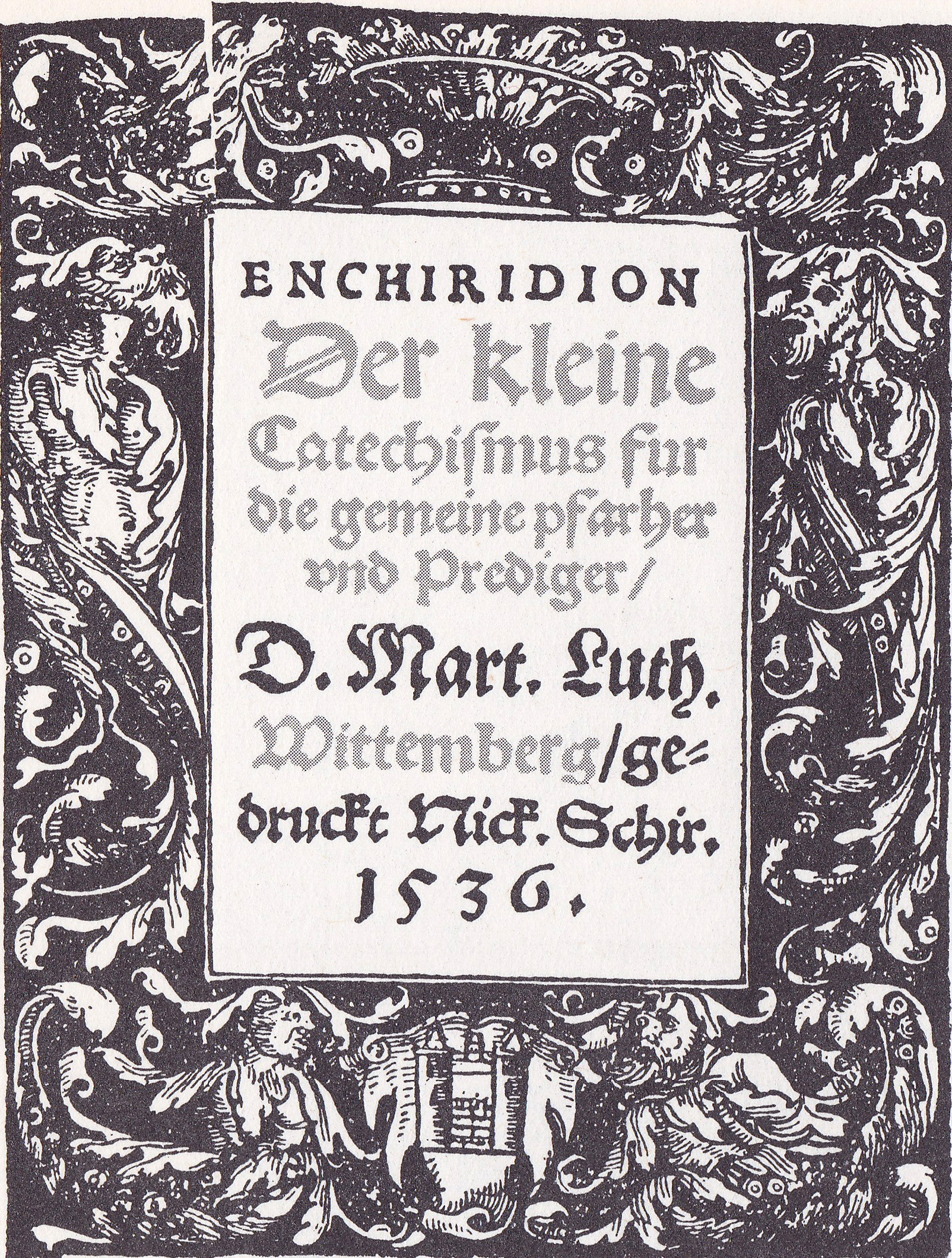
In 1529, Martin Luther visited churches across Saxony and was alarmed by what he found: pastors who could not teach and laypeople who did not know even the basics of the faith — including the Lord’s Prayer they recited every week. In response, he wrote the Small Catechism, a compact guide for heads of households to teach their families the Christian faith.
The Lord’s Prayer occupies a central place in the catechism. For each petition, Luther asks a single question — “What does this mean?” — and answers it briefly and plainly. His goal was not academic commentary but confident, daily prayer.
“A Christian who does not pray is just as unthinkable as a living person who does not breathe.” — Martin Luther
If you are curious about the two Biblical versions of the Lord’s Prayer (Matthew 6:9-13 and Luke 11:2-4) and the differences between them, see our post Matthew vs. Luke: Unpacking the Surprising Differences in the Lord’s Prayer.
The Introduction
“Our Father who art in heaven.”
What does this mean? With these words God tenderly invites us to believe that he is our true Father and that we are his true children, so that with all boldness and confidence we may ask him as dear children ask their dear father.
Luther’s opening move is striking: before we ask God for anything, we are reminded who we are addressing — not a distant sovereign but a Father who welcomes bold, trusting prayer. The word Father is a claim of relationship, and Luther wants us to lean into it fully.
The First Petition
“Hallowed be thy name.”
What does this mean? God’s name is certainly holy in itself, but we pray in this petition that it may be kept holy among us also. God’s name is kept holy when the Word of God is taught in its truth and purity, and we, as the children of God, also lead holy lives according to it. Help us to do this, dear Father in heaven! But anyone who teaches or lives contrary to God’s Word profanes the name of God among us. Protect us from this, heavenly Father!
For Luther, hallowing God’s name is inseparable from teaching the Word faithfully. Pure doctrine and holy living are two sides of the same coin — and the petition ends, tellingly, with a prayer for protection from false teaching.
The Second Petition
“Thy kingdom come.”
What does this mean? The kingdom of God certainly comes by itself without our prayer, but we pray in this petition that it may come to us also. God’s kingdom comes when our heavenly Father gives us his Holy Spirit, so that by his grace we believe his holy Word and lead godly lives here in time and there in eternity.
Notice that God’s kingdom arrives as sheer gift — it comes by itself. We pray not to trigger it but to receive it. This is classic Lutheran theology: grace precedes and enables every response of faith.
The Third Petition
“Thy will be done on earth as it is in heaven.”
What does this mean? The good and gracious will of God is done even without our prayer, but we pray in this petition that it may be done among us also. God’s good and gracious will is done when he breaks and hinders every evil plan and purpose of the devil, the world, and our sinful nature, which do not want us to hallow God’s name or let his kingdom come; and when he strengthens and keeps us firm in his Word and faith until we die. This is his good and gracious will.
Luther names three enemies of God’s will: the devil, the world, and our own sinful nature (der Teufel, die Welt, und unser eigen Fleisch und Blut). The petition is a prayer for protection from all three — and for perseverance in faith until the very end.
The Fourth Petition
“Give us this day our daily bread.”
What does this mean? God certainly gives daily bread to everyone without our prayers, even to all evil people, but we pray in this petition that God would lead us to realize this and to receive our daily bread with thanksgiving. Everything that has to do with the support and needs of the body, such as food, drink, clothing, shoes, house, home, land, animals, money, goods, a devout husband or wife, devout children, devout workers, devout and faithful rulers, good government, good weather, peace, health, self-control, good reputation, good friends, faithful neighbors, and the like.
Luther’s list is famously expansive. Daily bread is not merely a meal — it encompasses everything that sustains life and community. The petition teaches gratitude for ordinary blessings we too easily overlook, and it reminds us that even unbelievers receive God’s material provision through his common grace.
The Fifth Petition
“And forgive us our trespasses as we forgive those who trespass against us.”
What does this mean? We pray in this petition that our Father in heaven would not look at our sins, or deny our prayer because of them. We are neither worthy of the things for which we pray, nor have we deserved them, but we ask that he would give them all to us by grace, for we daily sin much and surely deserve nothing but punishment. So we too will sincerely forgive and gladly do good to those who sin against us.
This is the only petition Jesus himself comments on after the prayer (Matthew 6:14–15). Luther keeps the connection tight: receiving forgiveness and extending it are bound together — not because our forgiving earns God’s forgiveness, but because the forgiven heart naturally forgives.
The Sixth Petition
“And lead us not into temptation.”
What does this mean? God tempts no one. We pray in this petition that God would guard and keep us so that the devil, the world, and our sinful nature may not deceive us or mislead us into false belief, despair, and other great shame and vice. Although we are attacked by these things, we pray that we may finally overcome them and gain the victory.
Luther is careful to clear God of any suspicion — the temptation does not come from God (cf. James 1:13). Note that he lists despair alongside false belief and vice. For Luther, despair — the loss of trust in God’s mercy — is not a mood problem but a spiritual danger as serious as any outward sin.
The Seventh Petition
“But deliver us from evil.”
What does this mean? We pray in this petition, in summary, that our Father in heaven would rescue us from every evil of body and soul, possessions and reputation, and finally, when our last hour comes, give us a blessed end, and graciously take us from this valley of sorrow to himself in heaven.
Luther ends the Lord’s Prayer where the Gospel ends: with death and the hope of resurrection. The final petition is not merely about hardship avoided but about being carried home. It is a fitting conclusion to a prayer Jesus gave us to pray until he returns.
The Doxology
“For thine is the kingdom, and the power, and the glory, forever and ever. Amen.”
What does “Amen” mean? That I should be certain that these petitions are pleasing to our Father in heaven, and are heard by him; for he himself has commanded us to pray in this way and has promised to hear us. Amen, amen — that is, yes, yes, it shall be so.
Luther’s final word is certainty. The Amen is not a polite closing — it is a declaration of confidence that God keeps his promises. For Luther, prayer without that assurance is merely wishful thinking; prayer with it is an act of faith anchored in the Word of God.
For the full story of the Doxology — where it came from, why it is not in the oldest manuscripts, and why Catholics omit it — see Why Do Protestants Keep Praying When Catholics Stop?.
Praying the Lord’s Prayer Today
Luther intended the catechism to be used, not merely read. He suggested taking one petition each morning or evening and meditating on it slowly — letting it become a springboard for personal prayer rather than a rote recitation. When we gather each Sunday at Triumphant Cross and pray “Our Father, who art in heaven…”, we stand in a long line of Christians who have prayed these words trusting that the Father who taught us to pray is faithfully listening.
[^1] Luther, Martin. Small Catechism (1529). Translations adapted from the Evangelical Lutheran Church in America (ELCA) edition.
- Faith
- Lord's Prayer
- Luther
- Small Catechism
- Prayer
- Lutheran