· Howard Young · Blog · 4 min read
Why Do Protestants Keep Praying When Catholics Stop? The Lord's Prayer Doxology
If you've ever prayed the Lord's Prayer at a Catholic service and kept going past 'deliver us from evil,' you've stumbled into one of Christianity's oldest liturgical differences — the doxology.
It happened at a coworker’s funeral. The congregation began the Lord’s Prayer together, and for a moment everyone was in unison — Our Father, who art in heaven… Then came deliver us from evil, and the Catholics stopped. A handful of Protestants in the pews, myself included, kept going: “For thine is the kingdom, and the power, and the glory, forever and ever. Amen.”
Our voices hung in the air, a beat too long, in an otherwise silent church.
It was not a crisis of faith — but it was a question worth answering. What is that ending? Why do Protestants say it, and why don’t Catholics?
What Is the Doxology?
The word doxology comes from the Greek doxa (glory) and logos (word) — literally, a word of glory or praise. In Christian worship, a doxology is a short declaration that ascribes glory to God. The Lord’s Prayer doxology — “For thine is the kingdom, and the power, and the glory, forever and ever. Amen” — is a fitting crescendo to a prayer that begins with God’s name and ends with God’s reign.
Why It Isn’t in the Oldest Manuscripts
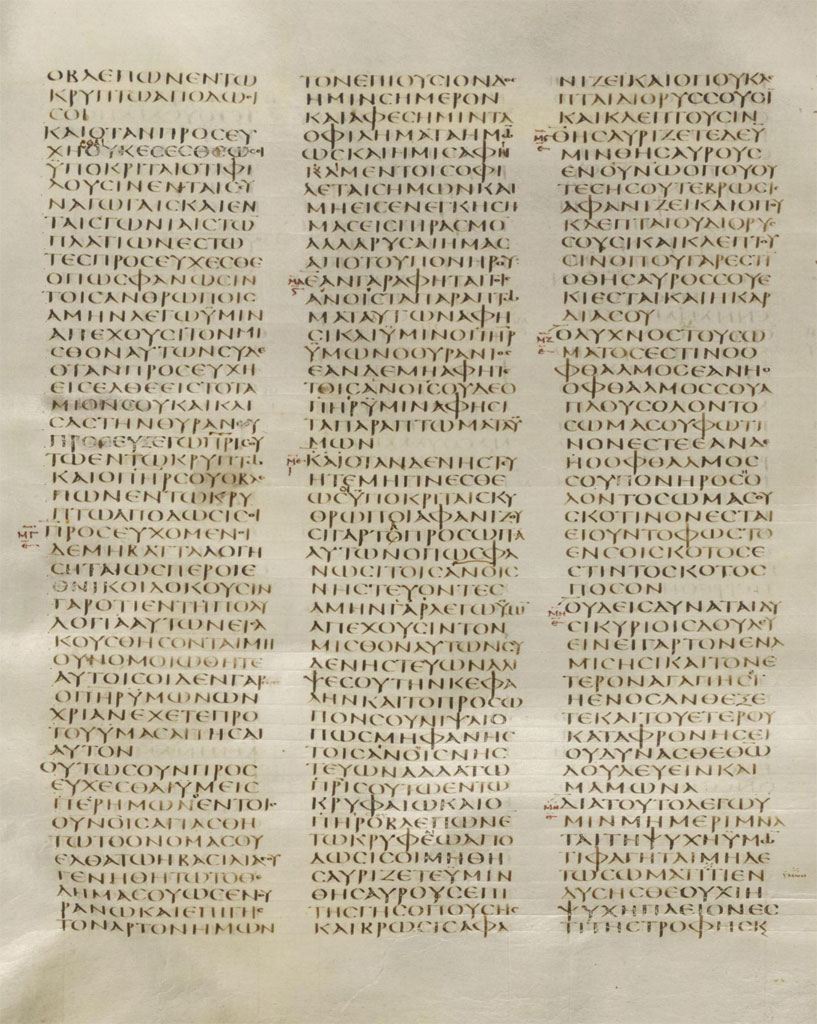
Here is the historical puzzle: the doxology does not appear in the oldest Greek manuscripts of Matthew 6:9-13. The ancient Codex Sinaiticus and Codex Vaticanus — two of our most reliable early texts — end the prayer at “deliver us from evil.” The Catholic Church follows these critical manuscripts, which is why the Mass omits the doxology (though priests do pray a similar phrase, separated from the Lord’s Prayer itself, a few lines later in the liturgy).
So where did it come from?
The Didache and Early Christian Worship
The doxology’s earliest appearance is in the Didache (Teaching of the Twelve Apostles), a Christian manual of worship and practice dating to approximately AD 100. The Didache instructs Christians to pray the Lord’s Prayer three times daily and closes it with: “For thine is the power and the glory forever.” This tells us the doxology was in liturgical use within a generation of the apostles — not as a part of Scripture, but as the church’s natural instinct to end a prayer with praise.
Over centuries, later Greek manuscripts incorporated it into the text of Matthew, which is why the King James Version (1611) includes it. Most Protestant traditions inherited the doxology through this stream of liturgical practice and translation.
Why Luther Kept It
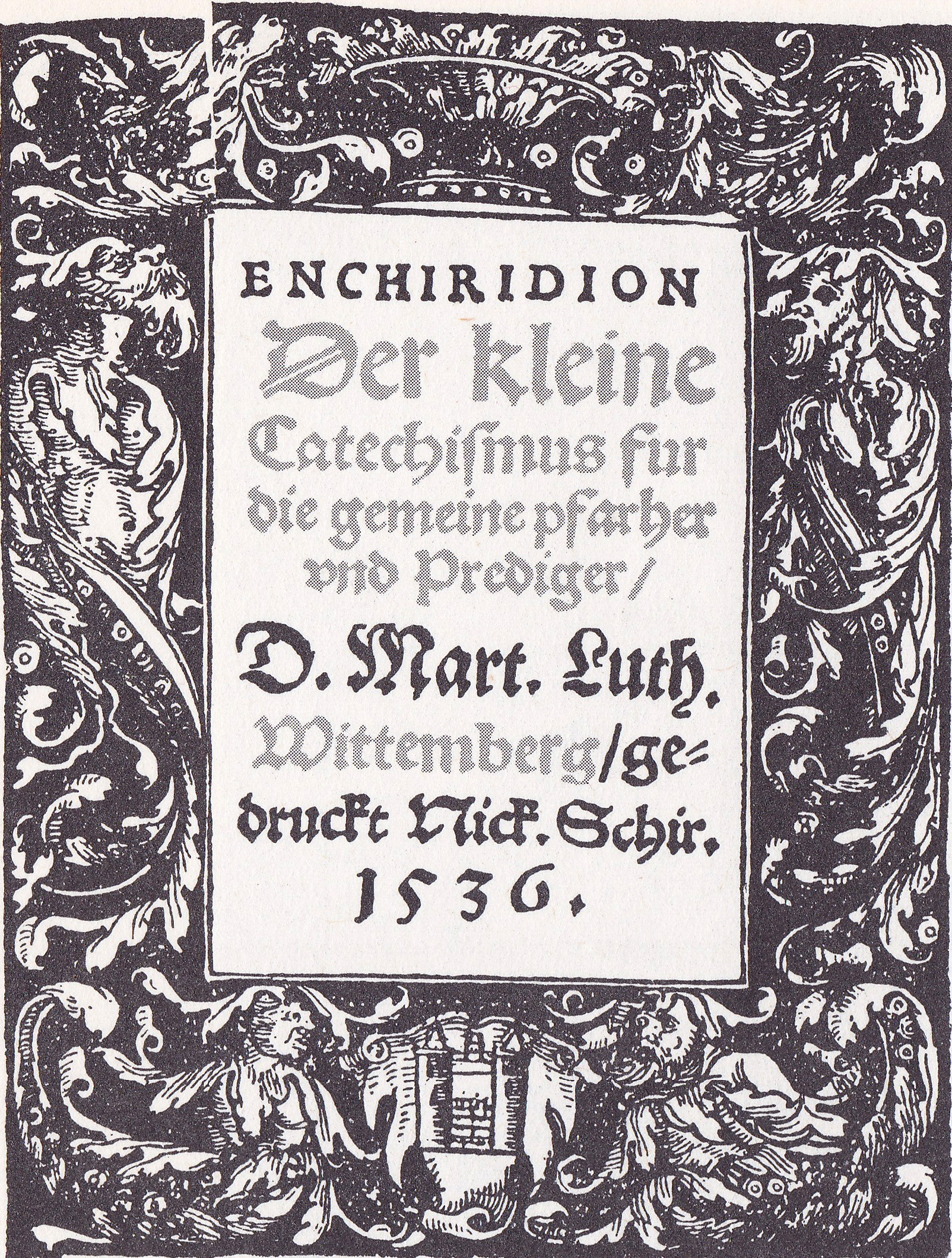
Martin Luther was well aware of the manuscript questions surrounding the doxology. He kept it anyway — and with purpose. In his Small Catechism (1529), Luther closes his treatment of the Lord’s Prayer not with the seventh petition but with the doxology and a question: “What does ‘Amen’ mean?” His answer: that we should be certain our prayers are heard, because God himself commanded us to pray and promised to listen.
For Luther, the doxology was not a textual problem to be solved — it was a theological statement to be made. Ending the prayer with “For thine is the kingdom, and the power, and the glory” shifts the final word back to God. We come with our petitions; we leave with his praise. That rhythm — petition and doxology, asking and adoring — is at the heart of Lutheran worship.
One Prayer, One Lord
The Catholics in that funeral pew and the Protestants who kept going were not praying different prayers. They were praying to the same Father, shaped by different streams of a common tradition. The doxology, wherever its precise origin, has been the church’s instinct for twenty centuries: when you finish asking, keep your eyes on the King.
At Triumphant Cross, we close the Lord’s Prayer the same way Luther did — with the kingdom, the power, and the glory. It is a small act of praise, but it is an intentional one.
For more on the Lord’s Prayer series, see Matthew vs. Luke: Unpacking the Surprising Differences in the Lord’s Prayer and Praying with Understanding: Luther’s Small Catechism on the Lord’s Prayer.
- Faith
- Lord's Prayer
- Prayer
- Lutheran