· Howard Young · blog · 3 min read
Give to Caesar: Whose Authority Do We Live Under?
Jesus' answer to give to Caesar what is Caesar's in Matthew 22 escapes a clever trap and asks a deeper question: whose authority shapes our lives?
Reflections on Mark Haynes’ sermon from October 18, 2026, delivered by Cindy Manning, on Matthew 22:15-22
Nobody likes paying taxes. That was as true in first-century Judea as it is in Dothan today, and the Pharisees knew it. When they asked Jesus whether it was right to pay taxes to the emperor, they weren’t looking for an answer. They were setting a trap. His reply, “give back to Caesar what is Caesar’s, and to God what is God’s,” turned the question into one about authority: whose authority do we really live under?
A Question With No Safe Answer
The trap was simple. If Jesus said yes, pay the tax, he would anger a crowd that resented Roman rule and every coin it collected. If he said no, he could be reported to the Roman authorities for encouraging rebellion, a crime against the empire.
That was not a hypothetical danger. Years earlier, around 6 AD, Judas the Galilean led a revolt against a Roman census and the taxes that came with it. Gamaliel recalls it in Acts 5:37: Judas was killed and his followers were scattered. Everyone listening to Jesus knew how tax revolts ended.
Caesar or the First Commandment
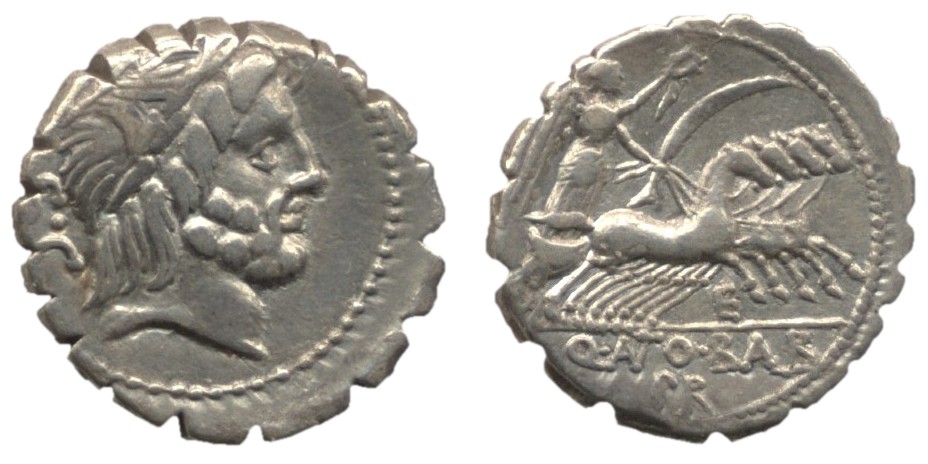
Jesus saw a deeper trap too. He asked to see the coin used for the tax and asked whose image and inscription were on it. The answer was Caesar’s. Roman coins honored the emperor in language that came close to calling him divine, which put them in tension with the first commandment: “You shall have no other gods before me.”
Jesus didn’t take either side of the question. Caesar can have his coin, but Caesar is not God. The things that belong to God, starting with our hearts, our loyalty, and our very lives, were never Caesar’s to claim.
God’s Timetable, Not Ours
The crowd may have hoped Jesus would be the leader who finally threw off Rome. The sermon reminded us that God’s timetable is not ours. Jesus did not come to win a tax revolt. He came to establish a kingdom that no empire can tax, conquer, or outlast, and he did it in God’s time and in God’s way, through the cross.
We still live with competing claims on our time, money, and allegiance. Giving to Caesar what is Caesar’s is part of life in the world. But this passage from Matthew 22 asks us to remember that we bear God’s image, and we belong to God first.
Join us for worship at Triumphant Cross Lutheran Church as we keep wrestling with what it means to live under God’s authority.
Image: Roman Republic denarius, public domain, via Wikimedia Commons.
- Scripture
- Gospel
- Faith
- Discipleship