· Pastor Steve · Sermons · 4 min read
Don't Be Afraid: The Miraculous Call That Comes to the Unworthy
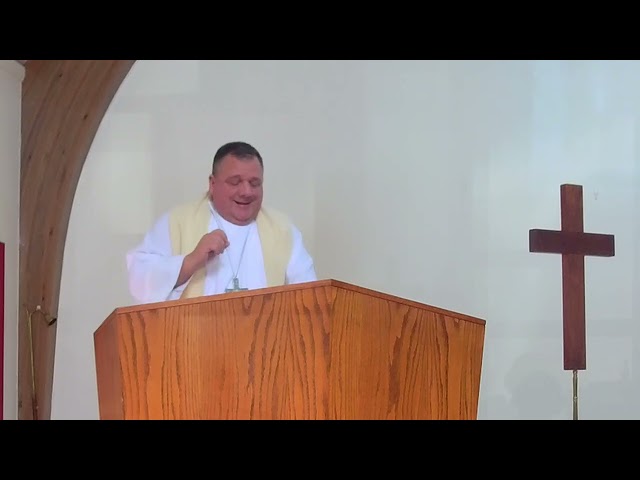
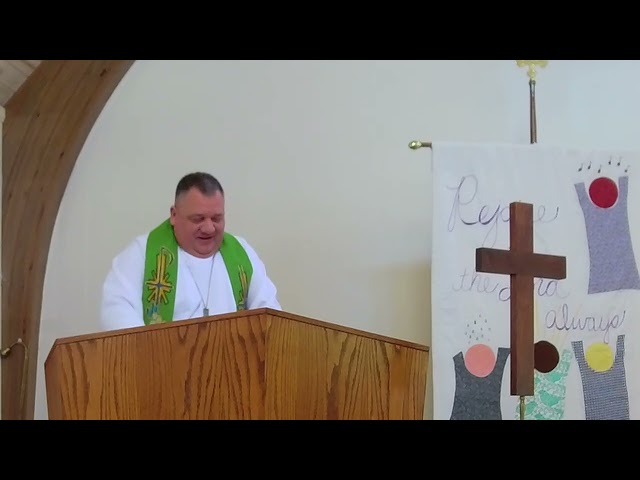
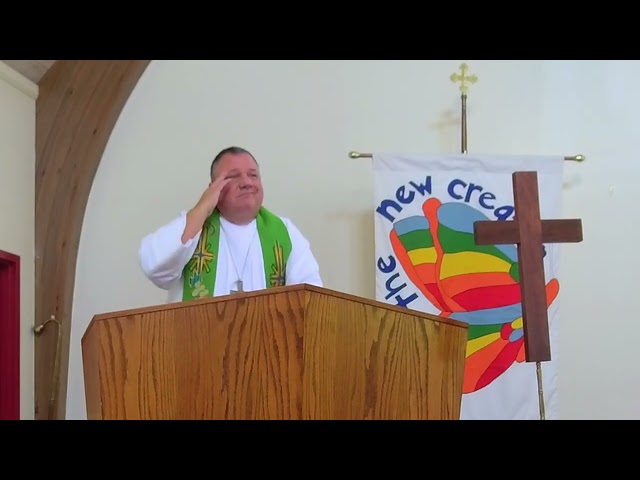
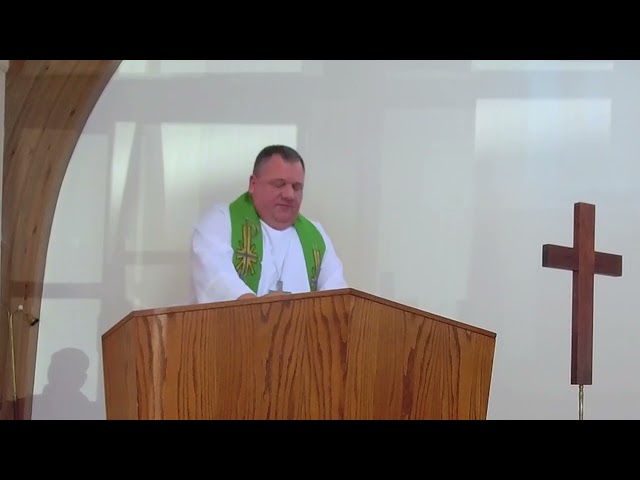
'Go away from me, Lord — I am a sinful man.' That was Peter's response when Jesus filled his nets beyond all expectation. And it's probably the most honest thing any of us could say in the presence of God. Check out this week's sermon from Triumphant Cross Lutheran as Pastor Steve explores Isaiah's 'Here am I, send me!' alongside Peter's call on the lake — and why grace always comes before the calling.
In This Sermon
The Encounter with Holiness: The sermon opens with Isaiah 6 — the prophet’s vision of the Lord high and lifted up, the seraphim crying “Holy, holy, holy,” and the temple filling with smoke. Isaiah’s immediate response is “Woe to me! I am ruined! For I am a man of unclean lips.” When we truly see God, we see ourselves clearly for the first time.
Grace Before the Call: Before Isaiah can confess, repent, or volunteer, a seraph touches his lips with a coal from the altar — “your guilt is taken away and your sin atoned for.” The pattern is declared early: grace precedes calling. God does not wait for Isaiah to qualify himself before He speaks.
The Miraculous Catch: In Luke 5, Jesus borrows Peter’s boat to teach the crowds, then commands the tired fisherman to put out into deep water for a catch. After a fruitless night on the water, the nets fill to the point of breaking. The sign is not just about fish — it announces the presence of the Holy in the ordinary boat of an ordinary working man.
“Go Away From Me, Lord”: Peter’s response mirrors Isaiah’s — he falls at Jesus’s knees and says “Go away from me, Lord; I am a sinful man!” He does not ask for more fish or for the miracle to continue; he asks Jesus to leave. The sermon explores this moment of holy fear: genuine encounter with God always exposes our poverty before His abundance.
“From Now On You Will Fish for People”: Jesus’s response to Peter’s confession is not a lecture or a list of requirements. It is simply a calling — “Don’t be afraid; from now on you will fish for people.” Vocation is not abandoned but reoriented: the same hands, the same nets, a wholly new purpose and direction.
The Least of the Apostles: The sermon closes with 1 Corinthians 15:9-10, where Paul calls himself “the least of the apostles” who does not deserve to be called one — then immediately adds “but by the grace of God I am what I am.” The pattern runs from Isaiah to Peter to Paul and to us: we are not called because we are qualified. God qualifies those He calls.
Theological Citations:
Luke 5:1-11: The primary Gospel text — the miraculous catch of fish, Peter’s confession of unworthiness, and Jesus’s call to fish for people; the New Testament center of the sermon’s calling theme.
Isaiah 6:1-8: “Woe to me! I am ruined!… Here am I. Send me!” — The Old Testament parallel text; Isaiah’s vision, atonement, and commissioning establish the pattern of grace-before-calling that runs through the entire sermon.
1 Corinthians 15:1-11: “Last of all he appeared to me also… But by the grace of God I am what I am.” — Paul’s testimony as the third instance of the pattern: the unworthy, encountered by the risen Christ, called and sustained by grace alone.
Psalm 138:3: “When I called, you answered me; you greatly emboldened me.” — The Psalm reading voices the human experience of being met and strengthened by God in response to a cry, echoing both Isaiah’s and Peter’s encounters.
Jeremiah 1:4-10: “I do not know how to speak; I am too young… I have put my words in your mouth.” — A further Old Testament calling text that reinforces the sermon’s theme: God’s callings consistently come to those who feel disqualified, and His word equips what His grace commissions.
Romans 8:30: “Those he predestined, he also called; those he called, he also justified; those he justified, he also glorified.” — Paul’s summary of the divine order: calling is part of the chain of grace, not a reward for prior readiness.
The Augsburg Confession, Article V — The Ministry of the Word: “To obtain such faith God instituted the office of the ministry, that is, provided the Gospel and the sacraments.” — The confessional grounding for the sermon’s vocation theme: God sends people through the Word, as He sent Isaiah, Peter, and Paul.
Luther’s Small Catechism — The Third Article of the Creed: “I believe that by my own reason or strength I cannot believe in Jesus Christ my Lord or come to him, but the Holy Spirit has called me by the Gospel.” — The Lutheran articulation of the grace-before-calling pattern the sermon traces through Scripture: the call is always God’s initiative, never ours.
- Word of God
- Discipleship
- Epiphany
- Luke
- Calling
- Isaiah