· Pastor Steve · Sermons · 4 min read
You Are Mine: The Baptismal Identity Declared Before All We Do
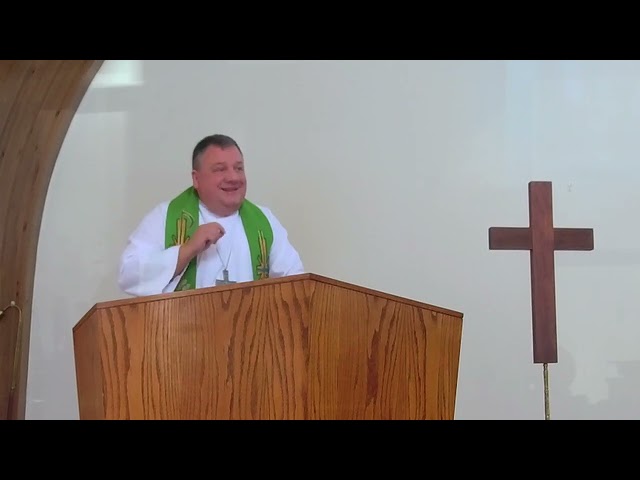
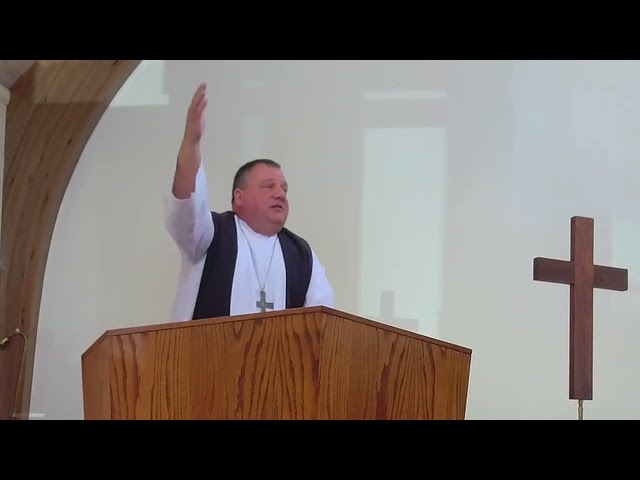
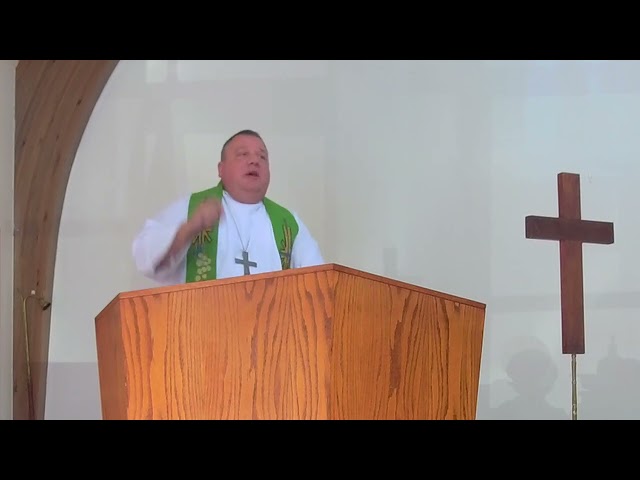
Before Jesus preached a single sermon, healed a single person, or walked to the cross, God spoke over him: 'You are my Son, whom I love; with you I am well pleased.' That voice at the Jordan wasn't earned — it was given. Check out this week's sermon from Triumphant Cross Lutheran as Pastor Steve explores the Baptism of Our Lord and what it means that God has spoken the same declaration over you in your own baptism.
In This Sermon
The Question Hanging in the Air: The sermon opens in Luke 3 with the crowd “wondering in their hearts whether John might possibly be the Messiah.” The question of identity is already present as Jesus steps quietly into the Jordan — not drawing attention to himself, but coming to stand with the people in the waters of repentance.
Isaiah’s Declaration — “You Are Mine”: Moving to Isaiah 43:1-7, Pastor Steve grounds the entire sermon in God’s word to Israel in exile — “Fear not, for I have redeemed you; I have called you by name; you are mine.” This declaration is spoken into fear and displacement as pure gift, not as a reward for faithfulness. It is the Old Testament root of everything baptism means.
Heaven Torn Open: At Jesus’s baptism in Luke 3:21-22, as Jesus is praying, heaven opens and the Spirit descends in bodily form like a dove. The Father’s voice speaks not after the resurrection, not after Calvary, but here — at the very beginning of Jesus’s public life: “You are my Son, whom I love; with you I am well pleased.” Identity is declared before the work begins.
The Spirit as Pure Gift: Acts 8:14-17 shows the Holy Spirit given through prayer and the laying on of hands — not generated by spiritual discipline or moral achievement, but received. The Spirit is always gift. This pattern echoes the Spirit’s descent at Jesus’s baptism and connects to the promise poured out in every Christian baptism since.
“I Am Baptized”: The Lutheran heart of the sermon — Martin Luther, in moments of doubt and temptation, would declare not “I was baptized” but “I am baptized.” Not a past event but a present identity. The waters of the font speak the same word the Jordan spoke: you are named, claimed, and held. No subsequent failure can undo what God declared first.
Grace Before the Work: The sermon closes with the pastoral weight of the sequence in Luke — the heavenly voice came to Jesus before his preaching, before his miracles, before Gethsemane, before the cross. Grace was spoken first. Our baptismal identity is not the reward for a faithful life; it is the unshakeable ground from which a faithful life grows.
Theological Citations:
Luke 3:15-17, 21-22: The primary Gospel text — Jesus’s baptism, the descent of the Spirit, and the Father’s declaration “You are my Son, whom I love; with you I am well pleased,” which establishes the pattern of grace-before-performance at the heart of the sermon.
Isaiah 43:1-7: “Fear not, for I have redeemed you; I have called you by name; you are mine.” — The Old Testament anchor; God’s declaration of ownership and love spoken into exile and fear, the theological root of baptismal identity.
Acts 8:14-17: The apostles pray and lay hands on the Samaritan believers, who receive the Holy Spirit — the epistle reading that underscores the Spirit as given gift, not earned achievement.
Psalm 29:3, 10-11: “The voice of the Lord is over the waters… the Lord sits enthroned over the flood.” — The Psalm reading connects the voice at Jesus’s baptism to the cosmic sovereignty of God, whose word over the waters creates and claims.
Romans 6:3-4: “Don’t you know that all of us who were baptized into Christ Jesus were baptized into his death?… we too may live a new life.” — Paul’s theology of baptism as union with Christ’s death and resurrection, the doctrinal backbone of the sermon’s claim that our baptism shares in Jesus’s own.
Galatians 3:26-27: “For in Christ Jesus you are all children of God through faith, for all of you who were baptized into Christ have clothed yourselves with Christ.” — The baptismal identity the sermon proclaims: not observers of Christ’s story but those clothed in it.
Luther’s Small Catechism — The Sacrament of Holy Baptism: Luther’s explanation that Baptism “works forgiveness of sins, delivers from death and the devil, and gives eternal salvation to all who believe this, as the words and promises of God declare” — the confessional statement of what the waters actually do and give.
The Augsburg Confession, Article IX — Baptism: “Our churches teach that Baptism is necessary for salvation, that the grace of God is offered through Baptism, and that children should be baptized.” — The Lutheran confessional grounding for the sermon’s claim that baptism is not a symbol of our commitment but an act of God’s claiming.
- Word of God
- Baptism
- Epiphany
- Luke
- Isaiah
- Identity