· Howard Young · Blog · 3 min read
Seeing the Good Shepherd: A Sermon on John 10:1-10
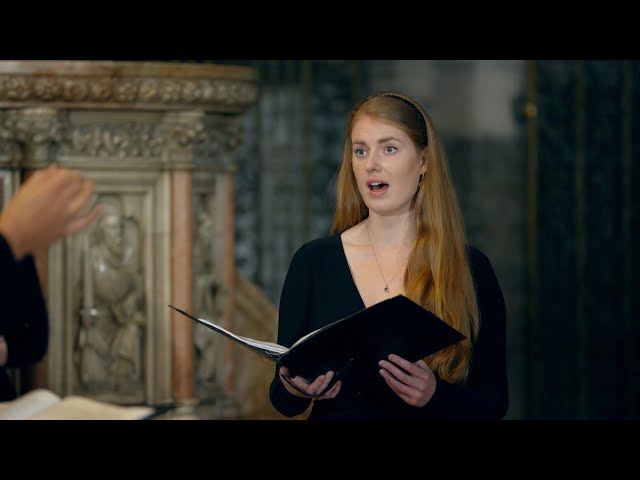
Mark Haynes led worship on Good Shepherd Sunday, showing how Jesus in John 10 is the answer to every false shepherd condemned by the prophets—and to a blind man left out in the cold.
There is a man sitting outside the synagogue, newly able to see for the first time in his life, and nobody will let him in. That is where last Sunday’s sermon began — not with John 10, but with the end of John 9, where the religious leaders throw out the man Jesus had healed of blindness from birth. Worship leader Mark Haynes made the case that you cannot understand the Good Shepherd without first sitting with that man on the curb.
From the Curb to the Gate
John 10:1-10 begins mid-confrontation: “Very truly I tell you Pharisees…” Jesus is still talking to the same people who just cast the healed man out. He contrasts the shepherd who enters by the gate and calls his sheep by name with the thieves and robbers who climb in another way. The Pharisees had just demonstrated which category they occupied — they had scattered a vulnerable person rather than gathered him.
This is exactly what Jeremiah 23:1-2 warns against: “Woe to the shepherds who are destroying and scattering the sheep of my pasture!” And it echoes Ezekiel 34, where God confronts leaders who feed themselves while the flock goes hungry, who rule harshly and let the weak and sick and lost go without care. Both prophets promised that God himself would step in and become the true shepherd — which is precisely what Jesus claims in John 10: “I am the gate; whoever enters through me will be saved.”
The Idol in the Courtroom
So why did the Pharisees get it so wrong? Mark pointed to Exodus 20:4-5, the commandment against idols. The Pharisees had not bowed down to a carved statue — they had made their own religious rules into an idol. They were so devoted to a particular reading of Sabbath law that a man born blind could be healed right in front of them and they could only ask, “Who sinned?” A system that cannot see a miracle is a system that has replaced God with itself.
The answer, both in Jeremiah 23:5-6 and in Jesus himself, is a shepherd-king who “will reign wisely and do what is just and right” — one whose authority comes from actual care for the flock, not from position. 1 Peter 5:4 calls Jesus the Chief Shepherd, and calls every leader in the church to reflect that posture: willing, not coerced; servant-hearted, not domineering.
Open Eyes
The sermon ended with Clara H. Scott’s 1895 hymn, “Open My Eyes, That I May See” — a fitting close. The blind man in John 9 received physical sight; the disciples in John 10 are invited into spiritual sight, to recognize the voice of the shepherd who already knows their names. The hymn’s refrain asks for that same gift: “Silently now I wait for thee, ready my God thy will to see; open my eyes, illumine me, Spirit Divine.”
Good Shepherd Sunday is a yearly reminder that the door is open, the shepherd is calling, and abundant life — not just survival — is the promise on the other side. If you missed it, we hope you can join us next Sunday at Triumphant Cross.
- Scripture
- Gospel
- Faith
- Lutheran