· Pastor Steve · Sermons · 4 min read
It Is Finished: The Cross That Accomplished What We Never Could
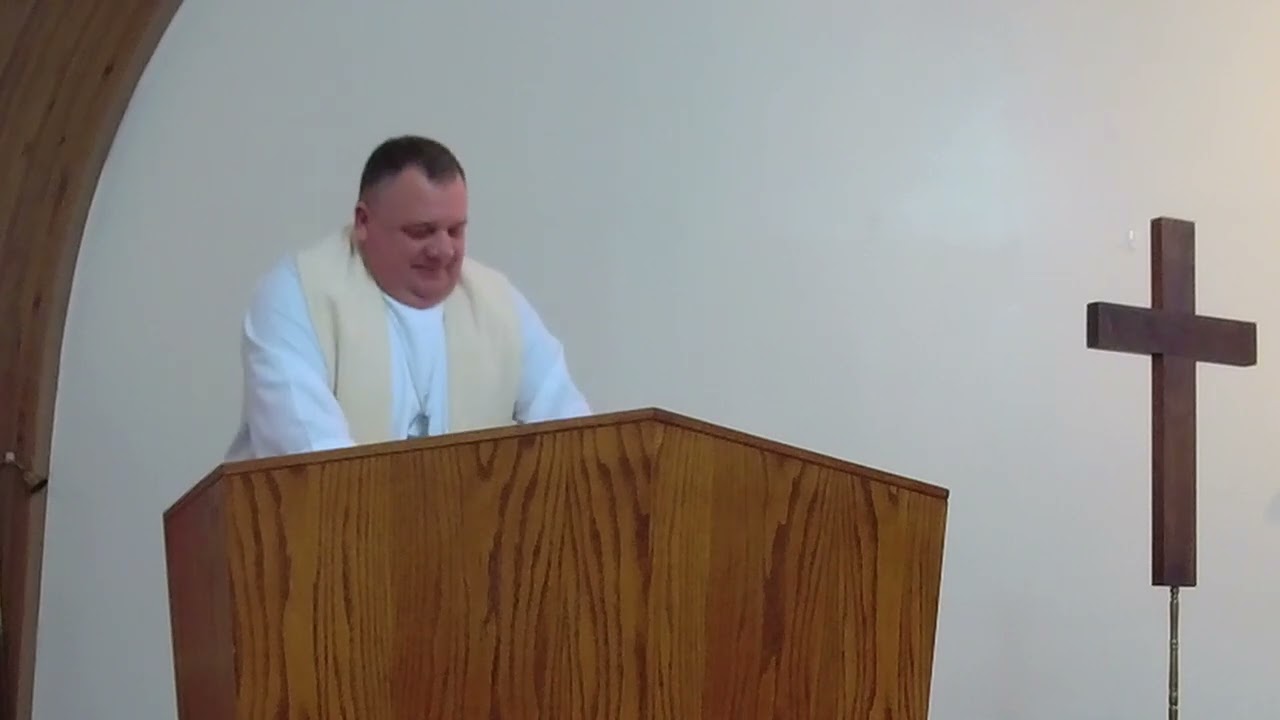
'It is finished.' Three words spoken from the cross — and they change everything. Jesus didn't cry out in defeat; he declared a completion. The debt was paid. The sacrifice was made. Check out this Good Friday sermon from Triumphant Cross Lutheran as Pastor Steve meditates on Isaiah's Suffering Servant, the cry of Psalm 22, and the finished work of the cross that still stands between us and condemnation.
In This Sermon
The Theology of the Cross: The sermon opens with Luther’s distinction between the theologia gloriae — the theology of glory that seeks God in power and success — and the theologia crucis — the theology of the cross that finds God hidden in suffering and weakness. Good Friday is the day we descend into that darkness and discover who is already there.
He Was Pierced for Our Transgressions: Isaiah 52:13-53:12 — written seven centuries before the crucifixion — describes a Servant who is “pierced for our transgressions, crushed for our iniquities; the punishment that brought us peace was on him, and by his wounds we are healed.” Pastor Steve meditates on the stunning specificity of this prophecy and on what it means that substitution — his death for our life — is woven into the oldest promises of God.
“My God, My God, Why Have You Forsaken Me?”: Psalm 22:1 — the cry Jesus utters from the cross — opens onto a depth of suffering that goes beyond the physical. He did not merely die; he entered the God-forsakenness that sin produces, the place of ultimate abandonment, so that every person who has ever cried out in desolation would know: someone has already been there, and has come back.
The Great High Priest Offers Himself: Hebrews shows that Jesus is not merely a victim of the cross but its officiant — the great high priest who passes through the heavens and offers himself as the once-for-all sacrifice that all the temple’s lambs and incense only prefigured. He is simultaneously the priest at the altar and the lamb on it.
Tetelestai — Paid in Full: John 19:30 — Jesus’s final word from the cross is the Greek tetelestai, a term used on commercial receipts to mean “paid in full.” This is not a cry of defeat but a declaration of completion. The sin debt has been settled, the work of redemption accomplished, nothing added and nothing left undone.
The Cross Stands Between Us and Condemnation: The sermon closes at the foot of the cross with the pastoral weight of Good Friday’s promise — when the accuser comes with the full account of our failures, the cross stands in the way. “There is therefore now no condemnation for those who are in Christ Jesus” — not because the sin wasn’t real, but because it was fully borne.
Theological Citations:
Isaiah 52:13-53:12: The Fourth Servant Song — “He was pierced for our transgressions… by his wounds we are healed” — the Old Testament prophecy that frames the entire Good Friday proclamation and identifies Jesus’s death as substitutionary and purposeful.
Psalm 22:1-2, 14-18: “My God, my God, why have you forsaken me?” — the Psalm Jesus quotes from the cross, its details of pierced hands and casting lots for garments mapping precisely onto the crucifixion narrative.
John 19:16-30: The crucifixion account culminating in tetelestai — “It is finished” — the declaration of completion that the sermon takes as its theological center.
Hebrews 4:14-16: “We do not have a high priest who is unable to empathize with our weaknesses, but we have one who has been tempted in every way, just as we are — yet he did not sin.” — Christ as the great high priest who entered our suffering before offering himself as the sacrifice.
2 Corinthians 5:21: “God made him who had no sin to be sin for us, so that in him we might become the righteousness of God.” — Paul’s compact statement of the substitutionary exchange at the heart of Good Friday.
Romans 8:1: “There is therefore now no condemnation for those who are in Christ Jesus.” — The Easter consequence of the Good Friday accomplishment; the cross removes the verdict of condemnation the sermon returns to in its close.
The Augsburg Confession, Article III — On the Son of God: “The Son of God… truly suffered, was crucified, died, and was buried, that he might reconcile the Father to us, and might be a sacrifice, not only for original guilt, but also for all actual sins of men.” — The Lutheran confessional statement of what the cross accomplished and for whom.
The Smalcald Articles, Part II, Article I: “The first and chief article is this: Jesus Christ, our God and Lord, died for our sins and was raised again for our justification… Nothing of this article can be yielded or surrendered.” — Luther’s own declaration of the non-negotiable center of Christian proclamation, which Good Friday preaching is always called to defend and announce.
- Word of God
- Good Friday
- Holy Week
- Cross
- Atonement
- Isaiah